
Physical Tension
When Your Body Is Always Braced
You might not describe yourself as anxious.
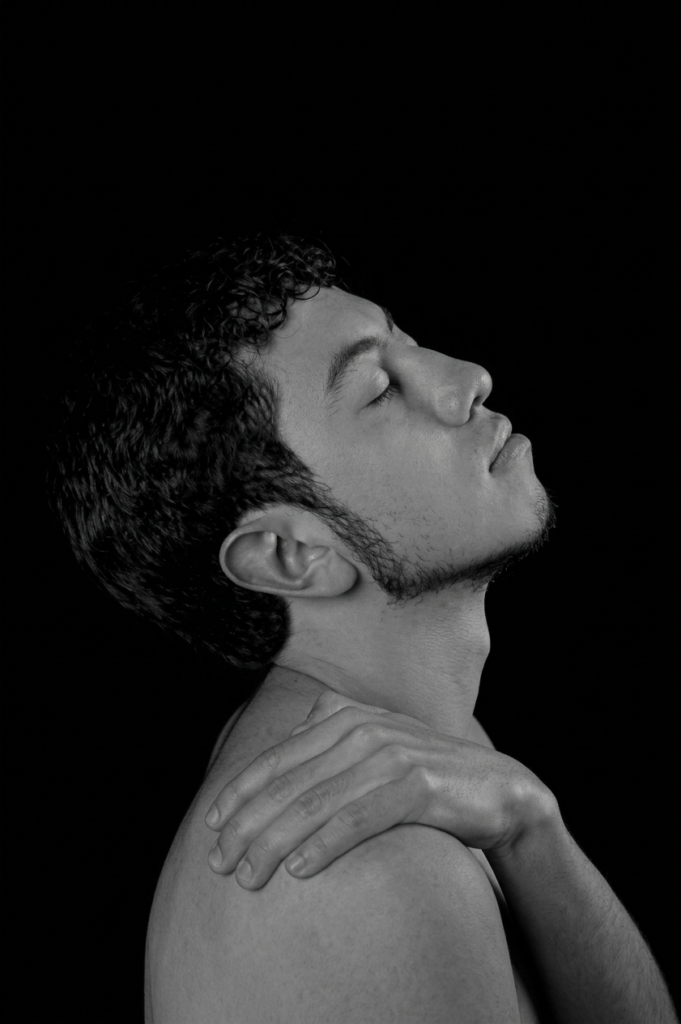
But your shoulders are always tight. You catch yourself clenching your jaw. You struggle to take a satisfying deep breath. Even when you’re supposed to be relaxing, there’s a part of you that never seems to completely switch off.
Sometimes you don’t even notice how much tension you’re carrying until someone points it out.
- When your body has been braced for long enough, being tense can start to feel normal.
Until eventually, it doesn’t.
What Does Physical Tension Feel Like?
Physical tension can show up in obvious ways, but sometimes it’s much more subtle.
You might recognise yourself in some of these:
Your shoulders or neck are constantly tight
You clench your jaw without realising
You grind your teeth at night
Your chest sometimes feels tight or restricted
You sigh frequently or feel as though you can’t get a satisfying breath
You experience tension headaches
Your stomach knots when you’re under pressure
You feel physically restless but completely exhausted
You find it difficult to fully relax, even when you have nothing to do
You feel “on edge” without always knowing why
- You may notice it gets worse during stressful periods. Or you might struggle to make that connection because the tension seems to be there all the time.
That’s often when people start wondering why their body can’t simply relax.
But stress and emotional pressure can absolutely show up physically.
When you feel under pressure, threatened or overwhelmed, your body can prepare you to respond. Muscles tense, breathing can change and you may become more alert to what’s happening around you.
It Isn’t Always Just About Your Muscles
Muscle tension can have many causes, so persistent or unexplained physical symptoms shouldn’t automatically be put down to stress.
Usually, that response settles when the situation passes.
But what happens when the pressure doesn’t really pass?
Maybe you’ve spent years dealing with responsibility. Perhaps you’re always anticipating what needs doing next, trying to keep everyone happy or preparing for something to go wrong.
Eventually, you might not consciously feel stressed anymore.
Your body can still be carrying the tension.
1
Why Doesn’t Massage or Stretching Get Rid of It?
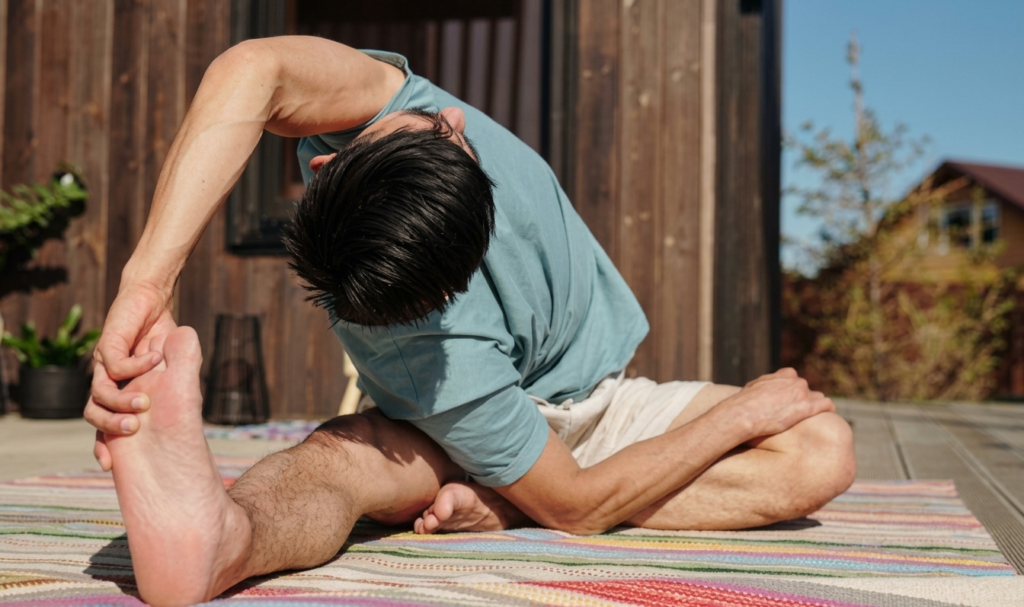
Massage can feel amazing. Stretching can help. Exercise, breathing exercises and taking time to rest can all be useful too.
But you may have noticed something frustrating.
The tension comes back.
That doesn’t mean those things aren’t working. They may be relieving the physical tension without changing everything that’s contributing to it.
If you spend an hour relaxing your shoulders and then go straight back into a life where you’re constantly rushing, worrying, suppressing how you feel or taking responsibility for everyone around you, it makes sense that your body might tense again.
-
That’s why I’m interested in more than where you’re holding the tension.
I want to understand when it appears, what makes it worse and what else is happening in your life when your body starts to brace.
Why Am I Always Tensing My Body?
Sometimes there’s an obvious answer.
You’re under pressure at work.
You’re going through a difficult relationship.
You’re caring for someone.
You haven’t had a proper break in months.
Other times, it’s harder to identify.
You may have become so accustomed to functioning under pressure that you don’t recognise it as pressure anymore.
Perhaps you’re constantly thinking ahead.
You struggle to say no.
You feel responsible for other people’s emotions.
You avoid conflict.
- You might look completely calm and capable from the outside while internally you’re putting an enormous amount of effort into keeping everything together.
The body can be part of that picture.
Who Does This Often Show Up In?
There isn’t one type of person who experiences chronic physical tension, but I often see similar patterns.
It can show up in:
High-functioning people who appear to cope with everything
People carrying long-term responsibility for work or family
People who’ve spent a long time feeling that they need to stay alert
People-pleasers who find it difficult to say no or switch off
People who rarely express anger, frustration or other difficult emotions
People who find rest uncomfortable rather than relaxing
People who’ve spent years “holding it together”
-
You might be very good at functioning under pressure.
That doesn’t necessarily mean the pressure isn’t affecting you.
Why Can Relaxing Feel So Difficult?
This can be one of the strangest parts.
You finally get the opportunity to relax and discover that you can’t.
You sit down and immediately think about something that needs doing.
You go on holiday and spend the first few days unable to switch off.
You try meditation and become more aware of how restless you feel.
Sometimes being busy has become so familiar that stopping feels uncomfortable.
If your mind is used to planning, anticipating, solving problems or watching what’s happening around you, quiet can feel surprisingly unfamiliar.
-
So the goal isn’t to force yourself to relax harder.
It’s to understand what makes switching off feel so difficult in the first place.
What Can Help With Physical Tension?
There’s rarely one technique that fixes everything.
Instead, it can help to become more aware of the relationship between what’s happening emotionally and what you notice physically.
That might involve:
Noticing when and where you tense your body
Identifying situations that make the tension worse
Recognising what happens when you feel pressured, criticised or overwhelmed
Becoming aware of how often you’re rushing or anticipating the next thing
Finding ways to express emotions rather than continually holding them in
Building periods of genuine recovery into your life
Learning what actually helps you feel safe enough to switch off
-
The aim isn’t to monitor every sensation or force your body into relaxation.
It’s to understand the pattern.
How I Work With Physical Tension
When I work with someone who feels permanently tense or unable to switch off, we don’t only focus on the physical symptom.
We look at what’s happening around it.
When do you notice yourself bracing? What’s going through your mind? What situations put you on edge? What responsibilities are you carrying? Are there emotions you find difficult to express? And what happens when you finally stop?
My work is guided by the ART framework:
Accept
Release
Transform
We start by noticing and understanding the pattern without judging it. From there, we can explore what may be keeping that pattern going and what could begin to change.
This isn’t about telling yourself to calm down.
It’s about understanding why relaxing has become so difficult.
What Can Change When You Stop Bracing?
Change doesn’t necessarily mean never feeling tense again.
Your body is supposed to respond to pressure. The difference is being able to come back down afterwards rather than feeling as though you’re permanently stuck there.
Over time, you may start to notice:
Your breathing feels easier
Your body feels less tense during everyday situations
You find it easier to switch off
You recover from stressful situations more quickly
You have more energy because you’re not constantly on alert
You feel more present rather than always anticipating what’s coming next
-
You’re not trying to force yourself into a permanent state of calm.
You’re learning that you don’t have to spend every moment braced for whatever comes next.
If This Feels Familiar
If you’ve spent years being the person who copes, carries on and holds everything together, you may not have noticed how much effort that takes.
Sometimes your body notices before you do.
Persistent physical symptoms can have many causes, so new, severe or unexplained symptoms should always be discussed with an appropriate healthcare professional rather than assumed to be caused by stress.
But if you recognise a connection between your tension and the way you’ve been living, working or responding to pressure, there may be something worth exploring.
Understanding why you’re bracing can be the beginning of learning how to stop.
If you’d like to explore what might be contributing to your physical tension, you can learn more about the coaching process or get in touch.
