
Burnout & Exhaustion
Why You Feel Drained and Why It Keeps Coming Back
If you constantly feel drained, overwhelmed or like you’re running on empty, even when you’ve had time to rest, there may be more going on than simply being tired.

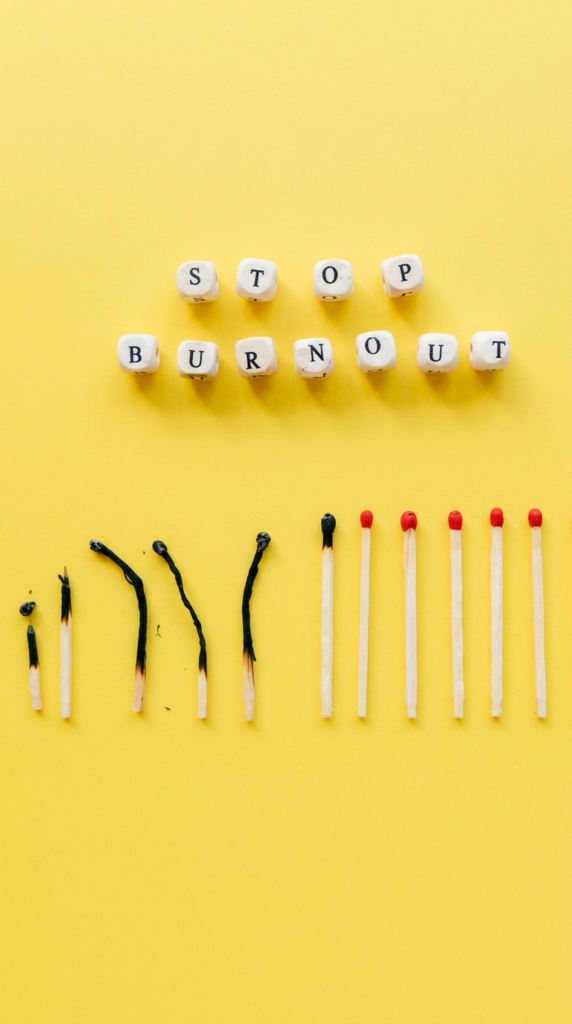
Burnout isn’t always about having too much to do. You can cut back, take a few days off or promise yourself you’re going to slow down, and still feel physically, mentally and emotionally exhausted.
That can be incredibly frustrating. Especially when you’re doing all the things you think should help, but you still don’t feel like yourself.

What Burnout Can Actually Feel Like
Burnout is often described as being tired, but that doesn’t really capture what it can feel like.
You might wake up tired even after a full night’s sleep. Things that would normally be simple suddenly feel like they require far more effort. You put off replying to a message, making a phone call or starting a task because even thinking about it feels exhausting.
You might struggle to concentrate, lose motivation for things you normally care about or find yourself becoming irritated or emotional over things that wouldn’t usually bother you.
- Small decisions can feel disproportionately difficult.
And there’s often a strange contradiction to it. You’re exhausted, but you can’t properly switch off. You want to stop, but when you do, your mind keeps going.
For a lot of people, burnout doesn’t feel like wanting to give up. It feels like desperately wanting to keep going and not having the capacity anymore.
Sometimes the pressure is external: work, parenting, caring responsibilities, relationships, finances or simply having too much to manage for too long.
Sometimes a lot of the pressure is coming from inside.
You might expect yourself to cope with everything. You might feel guilty when you rest or worry that slowing down means you’re falling behind. You may have become so used to pushing through exhaustion that you don’t notice how depleted you are until you can’t push anymore.
Why Does Burnout Happen?
Burnout usually builds gradually.
You keep going. You adapt. You compensate. You tell yourself you’ll get through this week, this deadline or this particularly difficult period.
But if what’s being asked of you continues to outweigh what you can realistically sustain, eventually something has to give.
Over time, stress can affect the way you feel and function. Things that once felt manageable can start to feel overwhelming, and recovering your energy isn’t always as straightforward as getting more sleep.
Why Doesn’t Rest Always Fix Burnout?
This is one of the most frustrating things about burnout.
You finally get a chance to stop, but you don’t actually feel rested.
Maybe you’re lying on the sofa thinking about everything you should be doing. You take a weekend off but spend Sunday worrying about Monday. Or you have a holiday, feel slightly better and then find yourself back in exactly the same cycle a few weeks later.
That doesn’t mean rest isn’t important. It is.
But if the same pressures, expectations and patterns are waiting for you when you return, rest alone may not change very much.

- Recovering from burnout can also mean understanding why you became so depleted in the first place.
Burnout and ADHD
For some people with ADHD, this pattern can feel particularly familiar.
ADHD can affect attention, organisation, motivation and the regulation of effort. That can mean everyday life sometimes requires far more mental energy than other people realise.
You might procrastinate until the pressure becomes urgent, then work intensely to catch up. You might have periods where you’re incredibly productive, followed by days where getting started feels almost impossible.
Then comes the frustration.
Why could I do all of that yesterday but barely function today?
So you push yourself again.
For some people, that becomes a cycle:
push hard
become exhausted
struggle to function
criticise yourself
push even harder
There can be another layer too.
Many adults with ADHD have spent years trying to make themselves work in ways that don’t come naturally to them. Staying organised, remembering everything, sitting still, keeping on top of admin, managing time or appearing completely fine on the outside can take a lot of effort.
If you’re constantly compensating, that effort adds up.
You don’t need an ADHD diagnosis to recognise yourself in some of these patterns. But if this has been a recurring theme throughout your life, it may be worth exploring what’s driving it rather than assuming you simply need to become more disciplined.
The Patterns That Can Keep Burnout Going
Sometimes workload really is the problem. But burnout can also be connected to the way you’ve learned to respond to pressure.
Overcompensating can mean continually pushing yourself to keep up or prove that you can cope, long after you’ve reached your limit.
Internal pressure can leave you feeling as though whatever you do is never quite enough. Even when you’re exhausted, there’s another voice telling you that you should be doing more.
Living out of alignment can be draining too. If your work, routines or environment constantly require you to operate against the way you naturally think and function, everyday life can start taking far more energy than it needs to.
And then there’s constant stimulation. You might technically be resting while scrolling, checking messages, thinking about work or mentally running through tomorrow’s list. Your body has stopped, but your mind hasn’t.
Understanding which of these patterns apply to you is often more useful than simply telling yourself you need a break.
It’s Not Always About Doing Less
When you’re burnt out, the obvious advice is usually to slow down.
Sometimes you absolutely do need to.
But long-term change isn’t necessarily about creating a smaller life or doing less of everything. It can be about finding a way of doing things that doesn’t require you to keep running yourself into the ground.
That might mean understanding when you naturally have the most energy and working with it rather than against it. It could mean noticing which situations consistently drain you and which actually leave you feeling better.
It might mean creating structure that supports you, changing expectations you’ve been carrying for years or learning that rest doesn’t have to be something you earn once everything else is finished.
- The aim isn’t to become better at pushing through. It’s to stop needing to push through all the time.
How I Work With Burnout
When I work with someone who’s experiencing burnout, we don’t only look at how busy they are.
We look at the bigger picture.
What keeps draining you? What happens just before you reach the point of exhaustion? What expectations are you carrying? What patterns keep repeating? And are there parts of your life that simply aren’t working for you anymore?
We can also explore how you respond to stress and what helps you feel more settled, rather than assuming there’s one type of rest or routine that works for everyone.
My work is guided by the ART framework:
Accept
Release
Transform
We start by understanding and accepting what’s actually happening rather than fighting against it. From there, we look at what you may need to let go of, change or approach differently.
The goal isn’t a quick reset before you go back to doing everything exactly as you did before.
It’s to build something that feels sustainable.
If This Feels Familiar
If you’ve been telling yourself you’re lazy, unmotivated or should be able to cope better, it may be worth questioning that story.
You might have spent a very long time coping.
Burnout can happen when the way you’ve been functioning asks more from you than you can keep giving. And if you recover just enough to start pushing yourself in exactly the same way again, it makes sense that the exhaustion eventually comes back.
Understanding the pattern gives you somewhere different to start.
If you’d like to explore what’s contributing to your burnout and what might need to change, you can learn more about my coaching process or get in touch.
